When property owners think about maintenance, they often picture roofing inspections, plumbing repairs, landscaping, or repainting walls. What rarely comes to mind is the hidden network of air ducts running behind ceilings and walls. Yet this concealed system plays a crucial role in protecting both the structure of a property and the health of the people inside it. Over time, mold, dust, and debris accumulate within ductwork, compromising indoor air quality and placing unnecessary strain on heating and cooling systems. Regular Air Duct Cleaning Salt Lake City is not just a cosmetic service; it is a proactive strategy that safeguards property value, structural integrity, and occupant well-being.
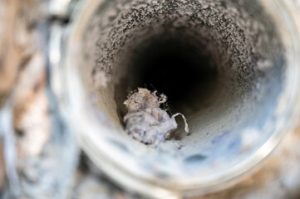
Air ducts function as the respiratory system of a building. Every time the HVAC system operates, air is drawn in, conditioned, and redistributed throughout the property. Along with that air come microscopic particles such as dust, pollen, pet dander, construction debris, and even fragments of insulation. In damp conditions, mold spores can settle and multiply within the ductwork. Because these components are out of sight, they are often out of mind. However, their cumulative impact can be significant. As contaminants build up, they circulate repeatedly, affecting indoor air quality and potentially damaging the HVAC system itself.
One of the most immediate concerns related to dirty air ducts is the presence of mold. Mold thrives in environments where moisture and organic material coexist. Condensation inside duct systems, particularly in humid climates or poorly insulated spaces, creates an ideal breeding ground. Once mold colonies establish themselves, they release spores into the air stream. These spores not only pose health risks but can also spread to other parts of the property. Over time, unchecked mold growth may lead to staining, unpleasant odors, and even structural damage if moisture issues persist. Regular air duct cleaning helps eliminate mold at its source, reducing the likelihood of widespread contamination.
Dust accumulation is another major issue that property owners should not underestimate. While dust may seem harmless, it is a complex mixture of fine particles that can include dirt, fibers, dead skin cells, and microscopic organisms. When dust builds up inside ducts, it narrows airflow passages and reduces overall system efficiency. The HVAC unit must work harder to push air through obstructed pathways, leading to increased energy consumption and accelerated wear on components. By removing these blockages through professional cleaning, property owners can maintain smoother airflow and extend the lifespan of their heating and cooling equipment.
Debris in air ducts is not limited to dust alone. Renovation projects, construction activities, and even minor home improvements can introduce substantial particulate matter into the system. Sawdust, drywall fragments, and other materials can become trapped inside ducts, where they remain long after the visible mess has been cleaned up. In some cases, pests may enter ductwork, leaving behind nesting materials or droppings. These contaminants not only compromise air quality but also create potential fire hazards if airflow is restricted near heating elements. Regular air duct cleaning ensures that such debris is identified and removed before it causes more serious problems.
The protective benefits of routine air duct cleaning extend to multiple aspects of property maintenance. In particular, it contributes to:
- Improved HVAC efficiency by maintaining unobstructed airflow and reducing strain on mechanical components.
- Enhanced indoor air quality through the removal of mold spores, dust, and accumulated debris.
- Prevention of long-term structural issues linked to moisture buildup and microbial growth within duct systems.
These combined advantages make air duct cleaning a strategic investment rather than an optional expense.
Indoor air quality is a growing concern for property owners, especially in spaces where occupants spend extended periods indoors. Contaminated ducts can circulate irritants continuously, affecting comfort and productivity. Persistent odors, for example, often originate from mold growth or trapped debris inside the system. Even if surfaces are cleaned regularly, odors may linger because the underlying source remains untouched. Professional air duct cleaning addresses these hidden causes, helping to restore fresher and cleaner indoor air.
From a property protection standpoint, moisture control is critical. When condensation forms inside ducts due to temperature differentials, it creates damp conditions that weaken insulation and encourage microbial growth. Over time, excess moisture can degrade materials surrounding the ductwork, including wood framing and ceiling structures. Early intervention through regular inspection and cleaning helps identify signs of moisture intrusion before they escalate into costly repairs. This preventive approach aligns with broader property management principles, where addressing minor issues early prevents major structural damage later.
Energy efficiency is another compelling reason to prioritize regular air duct cleaning. As debris accumulates, the HVAC system compensates by operating longer cycles to maintain desired temperatures. This increased workload results in higher utility costs and greater mechanical stress. Clean ducts promote balanced airflow, allowing the system to function as designed. Property owners may notice more consistent temperature distribution between rooms and reduced energy bills following professional cleaning. Over time, these savings contribute to a measurable return on investment.
Commercial properties, in particular, benefit from a disciplined air duct maintenance schedule. Offices, retail spaces, and multi-unit buildings experience higher occupant turnover and increased foot traffic, which can accelerate dust accumulation. In such environments, maintaining clean duct systems supports employee health and tenant satisfaction. It also reflects a commitment to responsible property management. For businesses, protecting the indoor environment is directly linked to operational efficiency and reputation.
Health considerations cannot be separated from property protection. Mold spores and airborne particles can trigger respiratory irritation, headaches, and allergic reactions. While these health effects primarily impact occupants, they also have indirect consequences for property owners. In rental or commercial settings, persistent air quality issues may lead to complaints, vacancies, or liability concerns. Proactive air duct cleaning reduces these risks by addressing contamination before it becomes a larger problem.
Routine cleaning also facilitates early detection of mechanical issues. During professional service, technicians often inspect the ductwork for leaks, loose connections, or damaged insulation. Small leaks can allow conditioned air to escape into unoccupied spaces, reducing system efficiency and increasing operating costs. Identifying and sealing these gaps not only enhances performance but also prevents future deterioration. In this way, air duct cleaning serves as both a cleaning and diagnostic service.
Property owners who delay maintenance may encounter warning signs that indicate urgent attention is needed. These signs often include:
- Visible mold growth around vents or a persistent musty odor when the HVAC system operates.
- Excessive dust accumulation on furniture shortly after cleaning.
- Uneven airflow or rooms that struggle to reach the desired temperature.
Recognizing these indicators and responding promptly can prevent minor issues from escalating into extensive remediation projects.
Another often overlooked aspect is the impact of clean ducts on long-term property value. Prospective buyers and tenants increasingly prioritize indoor air quality and energy efficiency. Documentation of regular HVAC maintenance, including air duct cleaning, demonstrates responsible ownership. It reassures potential occupants that the property has been cared for beyond surface-level aesthetics. In competitive real estate markets, this attention to detail can set a property apart.
Regular air duct cleaning also supports sustainability efforts. Efficient HVAC systems consume less energy, reducing overall environmental impact. By maintaining clean ductwork, property owners contribute to lower carbon emissions associated with excessive energy use. This aligns with broader sustainability goals and may complement other energy-saving upgrades such as improved insulation or high-efficiency equipment.
It is important to emphasize that effective air duct cleaning requires professional-grade equipment and expertise. Comprehensive service typically involves powerful vacuum systems, agitation tools, and careful containment procedures to prevent the spread of debris during cleaning. Attempting to clean ducts without proper training can result in incomplete removal or accidental damage to components. Professional service ensures that the entire system, including supply and return ducts, registers, and associated components, is thoroughly addressed.
Frequency of cleaning depends on several factors, including property size, occupancy levels, presence of pets, recent renovations, and local environmental conditions. However, incorporating air duct cleaning into a regular maintenance schedule provides consistent protection. When combined with routine filter replacement and humidity control, it forms part of a comprehensive strategy to maintain optimal indoor conditions.
In conclusion, mold, dust, and debris within air ducts are more than minor inconveniences. They represent hidden threats to property integrity, HVAC efficiency, and indoor air quality. Regular air duct cleaning addresses these risks at their source, helping to prevent mold growth, improve airflow, and reduce strain on mechanical systems. For property owners committed to long-term protection and value preservation, this service is an essential component of responsible maintenance. By investing in clean ductwork, you are not only enhancing daily comfort but also safeguarding the structural and operational health of your property for years to come.